Underwater glider swarm demonstrates persistent maritime surveillance and ASW barrier operations during NATO Exercise REPMUS/Dynamic Messenger 25’
/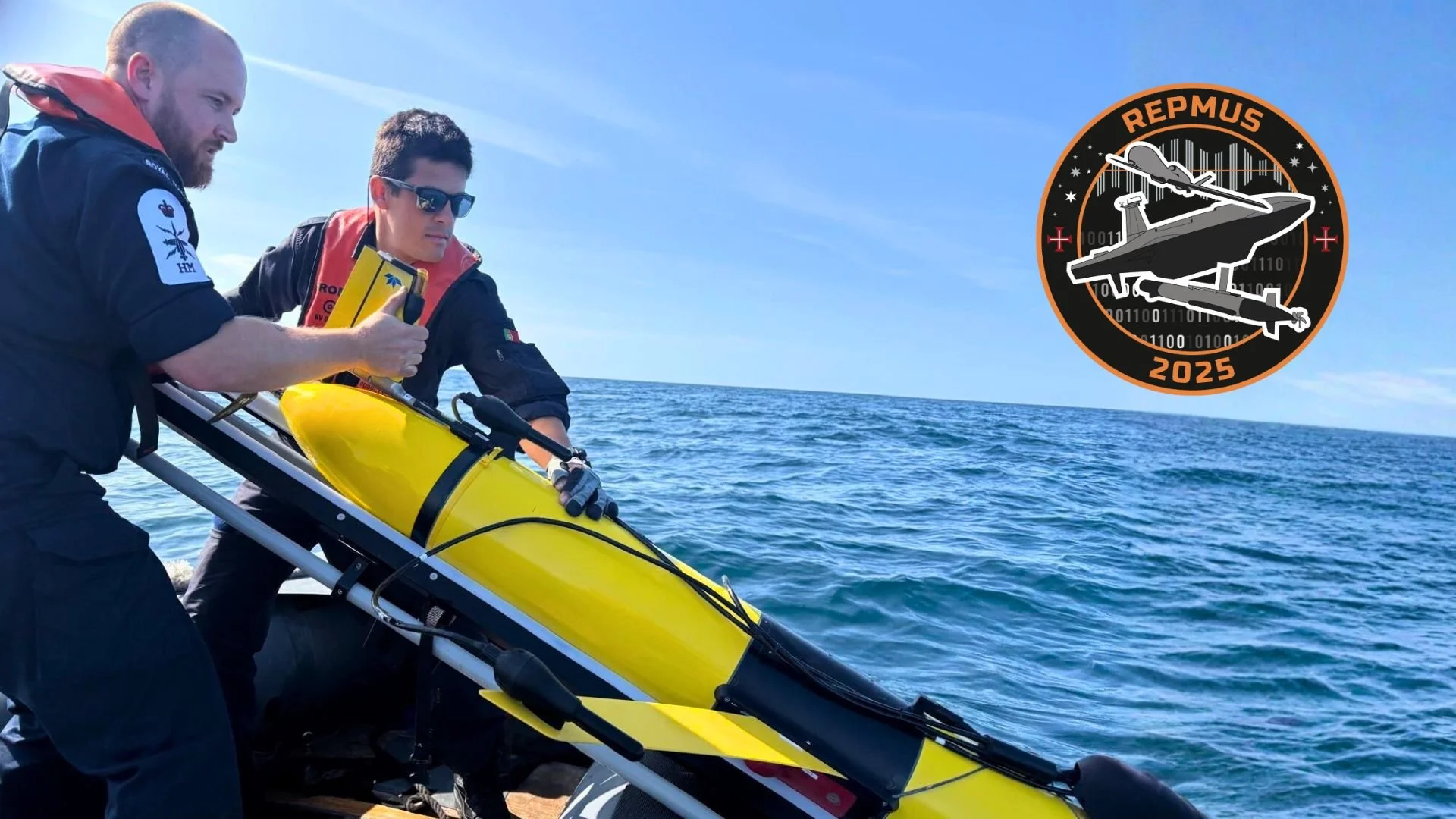
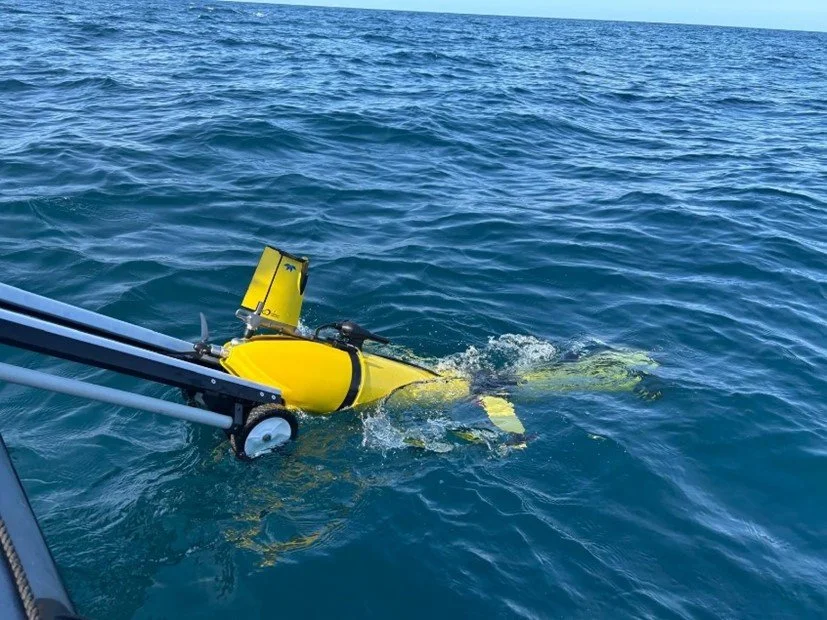
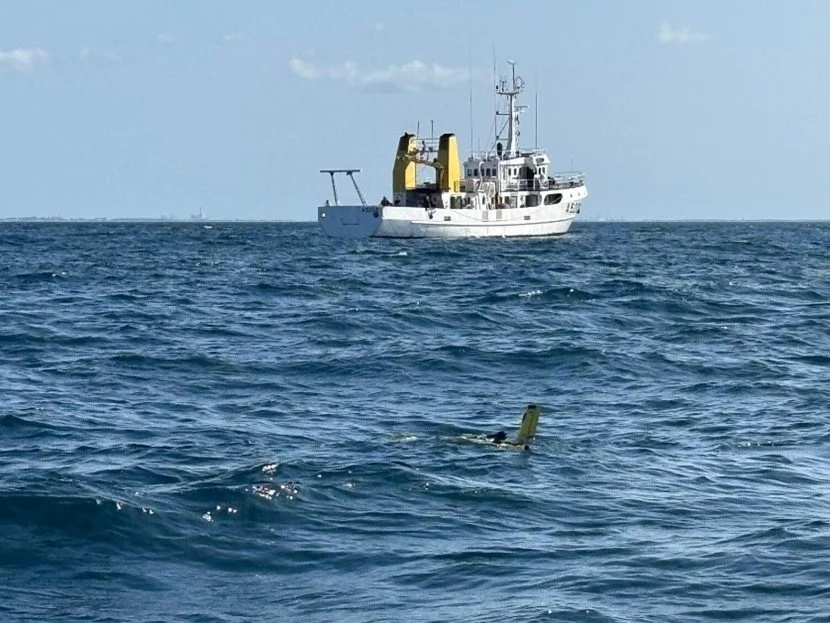
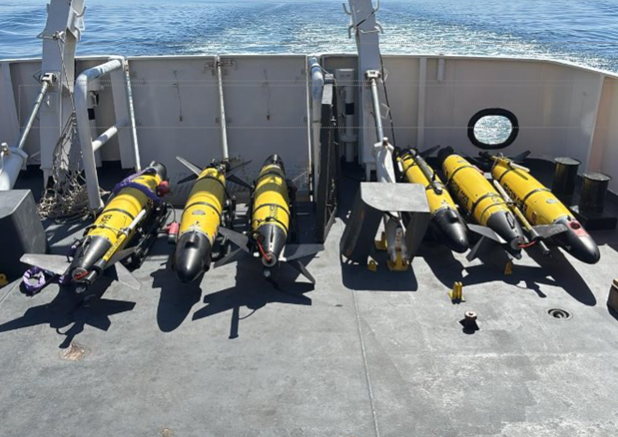
JASCO Applied Sciences (JASCO), Teledyne Marine (Teledyne), the Royal Navy (RN), WTD 71 (Germany), and ALSEAMAR collaborated in “Swarm Glider” experimentation during NATO Exercise REPMUS/Dynamic Messenger 2025, demonstrating the potential of coordinated underwater gliders for persistent maritime surveillance and Anti-Submarine Warfare (ASW) barrier operations. The effort involved eleven autonomous underwater gliders equipped with directional Passive Acoustic Monitoring (PAM) systems, which supported real-time detection and localization of underwater targets.
The annual Robotic Experimentation and Prototyping with Maritime Unmanned Systems (REPMUS) Exercise is one of the world’s largest testing events for maritime robotics and uncrewed systems. 2025 marked the 15th edition of REPMUS, and for the first time, was conducted jointly with NATO’s Dynamic Messenger (DYMS) exercise, which is part of NATO’s Operational Experimentation (OPEX) series. The joint event provided opportunities to test and evaluate emerging technologies in a realistic and operational environment while supporting NATO’s goal of maintaining a technological and tactical edge.
Hosted by the Portuguese Navy and co-led by Allied Maritime Command (MARCOM) and Allied Command Transformation (ACT), REPMUS/Dynamic Messenger 2025 featured larger and more complex activities than ever before. The exercise included participation from 37 countries and approximately 3,800 participants, including military forces, academic institutions, and technology and industry partners. Its objectives were to demonstrate the current and potential capabilities of allied nations in operating and integrating unmanned arial vehicles (UAV), unmanned surface vehicles (USV), unmanned underwater vehicles (UUV), and unmanned ground vehicles (UGV).
JASCO partnered with Teledyne Webb Research (TWR), the Royal Navy (RN), WTD 71 (Germany), and ALSEAMAR to conduct joint experiments showcasing real-time passive acoustic monitoring from unmanned marine platforms. The Slocum gliders provided near-real-time detections of underwater targets with improved bearing accuracy and reduced latency, while also collecting ambient noise and environmental data to support sonar performance modelling and own-ship vulnerability assessments for future missions.

Heatmap of Near-Real-Time localizations, REPMUS 25’, 11 September 2025.
Heatmap generated on 11 September 2025 shows the Near-Real-Time localization of a Teledyne Gavia underwater target by the glider swarm. The map displays the coordinated positions of the five Slocum and six SeaExplorer gliders. Blue Ocean Marine Tech Systems supported the team on site by providing access to their SeaViz™ visualization software.
The successful experimentation at REPMUS/DYMS 25’ demonstrated how a swarm, or squad of directional underwater gliders can enhance Anti-Submarine Warfare (ASW) and Under-Water Warfare (UWW) capabilities by providing early warning and indicating, and persistent maritime surveillance through passive acoustic detection and localization.