
JASCO marks successful CATS-M trial
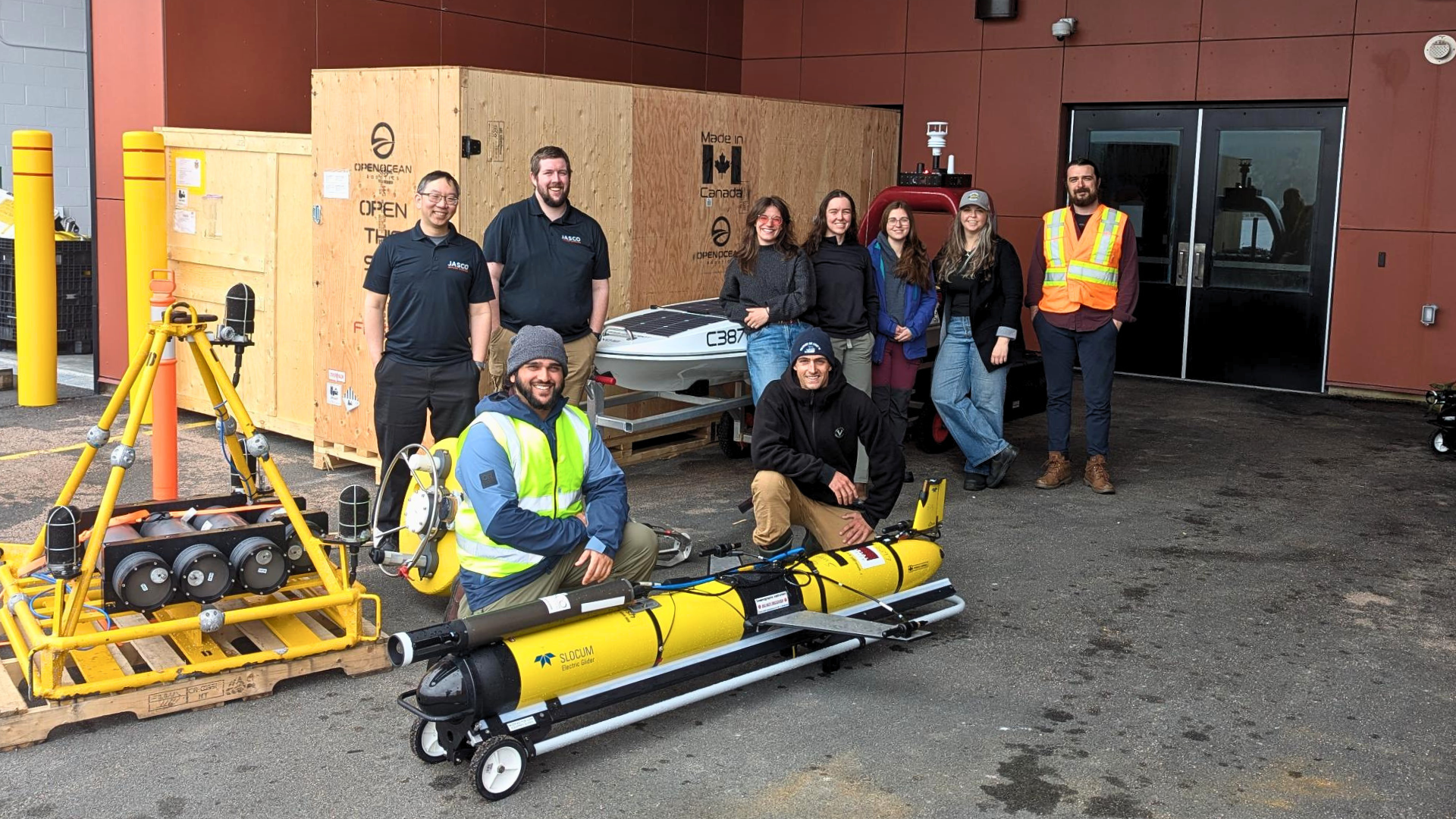
Back row, left to right: Justin So (JASCO), Logan Crooks (JASCO), Madeleine Bouvier-Brown (OOR), Paige Bodnar (MUN), Nicole Neriuoka (JASCO), Laurel Mackinnon (JASCO), Ian Hamilton (OOR). Front row, left to right: Sarik Shaikh-Upadhye (MUN), Alex Gross (JASCO).
The inaugural Canadian Autonomy Trials Series – Maritime (CATS-M), led by Defence Research and Development Canada (DRDC), is designed to strengthen collaboration and support maritime testing and validation of innovative technologies with industry partners. Held in Holyrood, Newfoundland, the trial saw JASCO Applied Sciences (JASCO) lead a team in the deployment of multiple Maritime Unmanned Systems (MUS) in support of Anti-Submarine Warfare (ASW) barrier experimentation.
The team included Memorial University’s Autonomous Ocean Systems Centre (AOSCENT), Dalhousie University’s Ocean Tracking Network (OTN), and Open Ocean Robotics (OOR). Supported by the Marine Institute, JASCO deployed and operated three directional Slocum gliders, two near-real-time PAM buoys, and a towed array integrated with Open Ocean Robotics’ DataXplorer USV. Together, these platforms successfully delivered multi-sensor data to enhance underwater domain awareness. The systems were deployed in Conception Bay, Newfoundland, with support from JASCO acoustic analysts and OTN glider pilots in Dartmouth, Nova Scotia.
The trial also provided an opportunity to test the integration between JASCO’s Passive Acoustic Monitoring sensor systems and General Dynamics Mission Systems’ Undersea Data Management System (UDMS) ahead of planned follow-on experimentation at REPMUS 26’.
Data was successfully shared with other command-and-control systems and demonstrated at The Launch facility in Holyrood, highlighting the interoperability and operational promise of integrated autonomous maritime surveillance technologies.
CATS-M underscored the value of collaboration in advancing autonomous maritime surveillance. By working alongside partners including Memorial University of Newfoundland, Open Ocean Robotics, Ocean Tracking Network, and General Dynamics Canada, the team was able to validate technologies in realistic operating conditions and contribute to the continued development of Canada’s maritime surveillance capabilities.
JASCO is grateful to DRDC, the Marine Institute, COVE, Memorial University’s Autonomous Ocean Systems Centre, Dalhousie University’s Ocean Tracking Network, Open Ocean Robotics, General Dynamics Mission Systems Canada, and Tacteris for their support and collaboration in making this initiative a success.
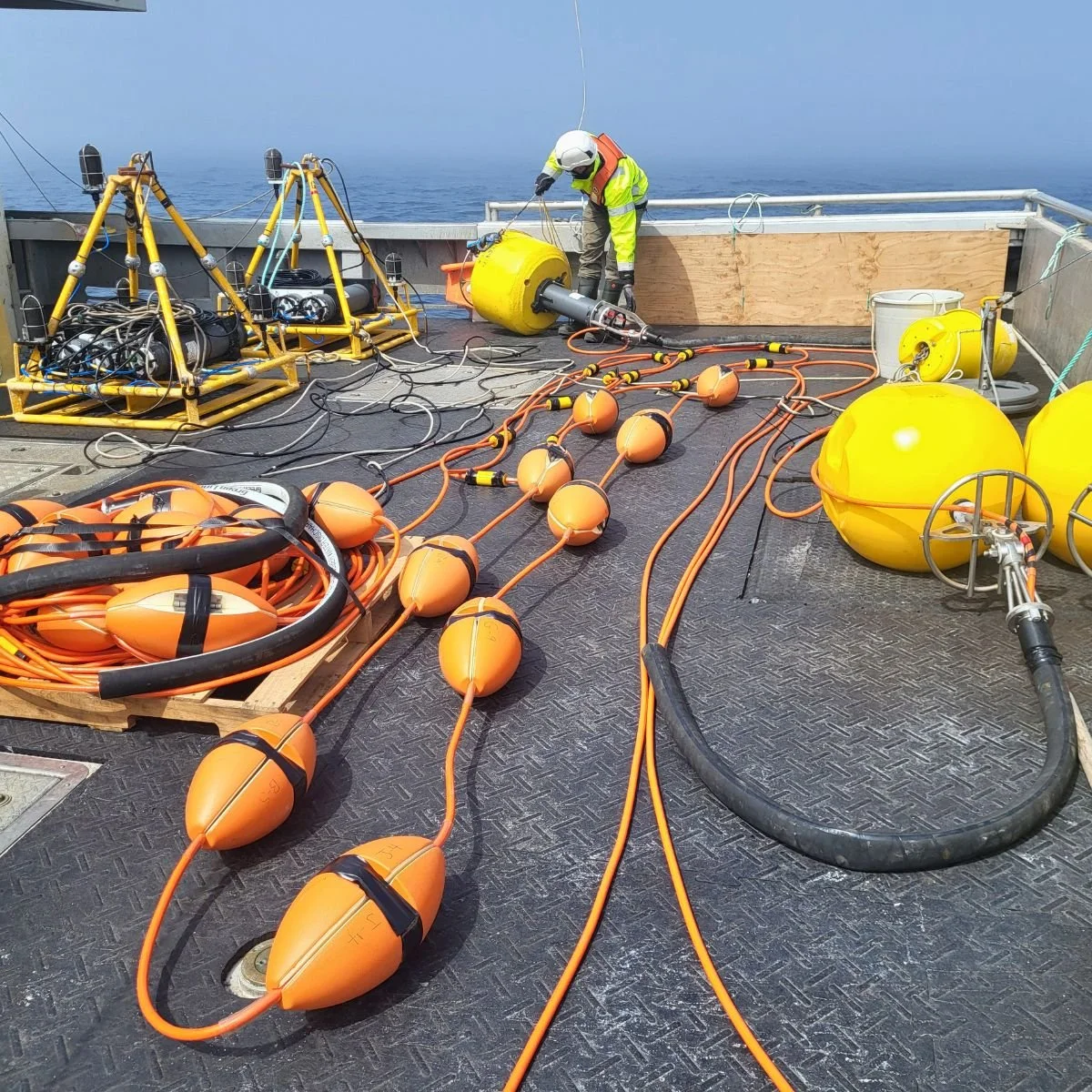
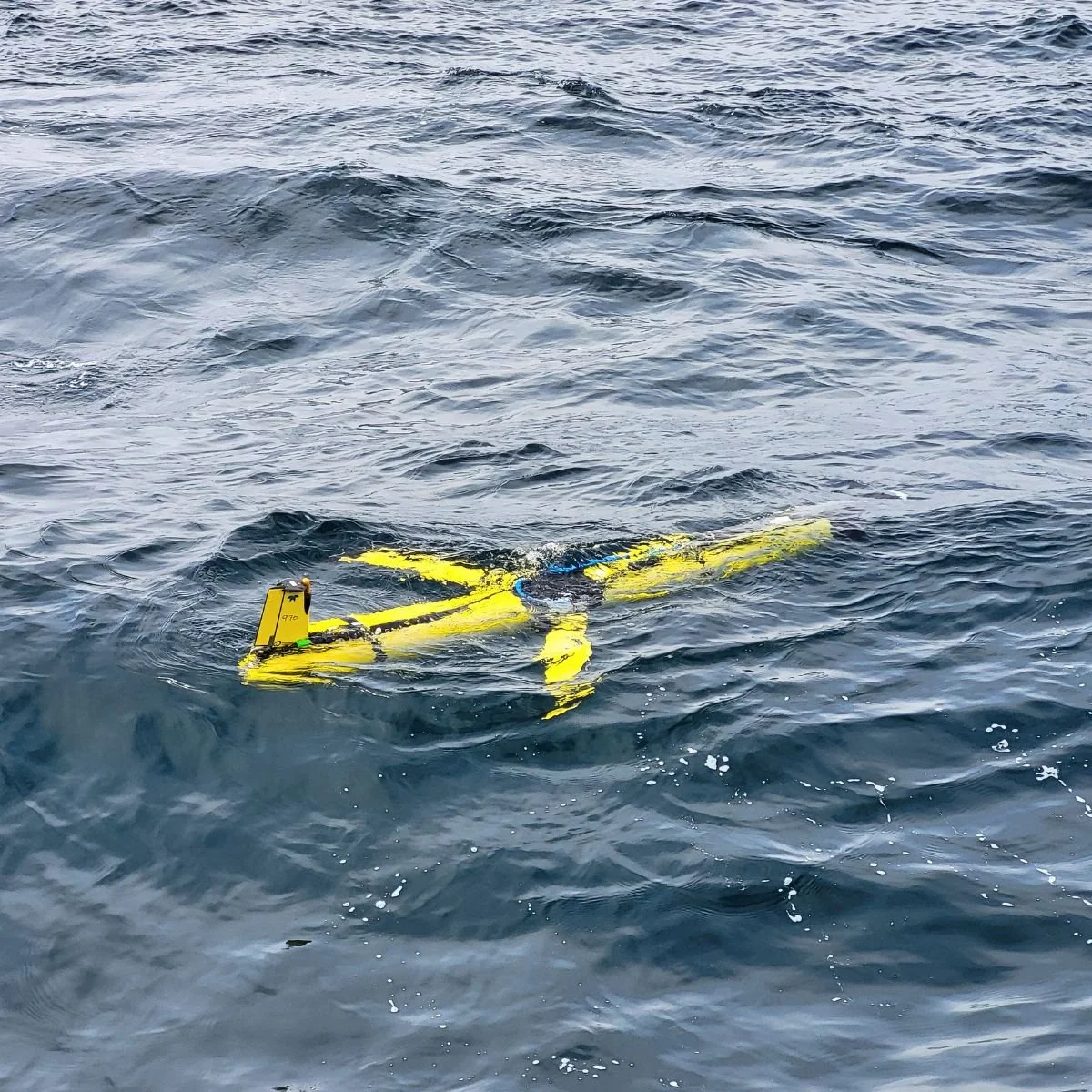
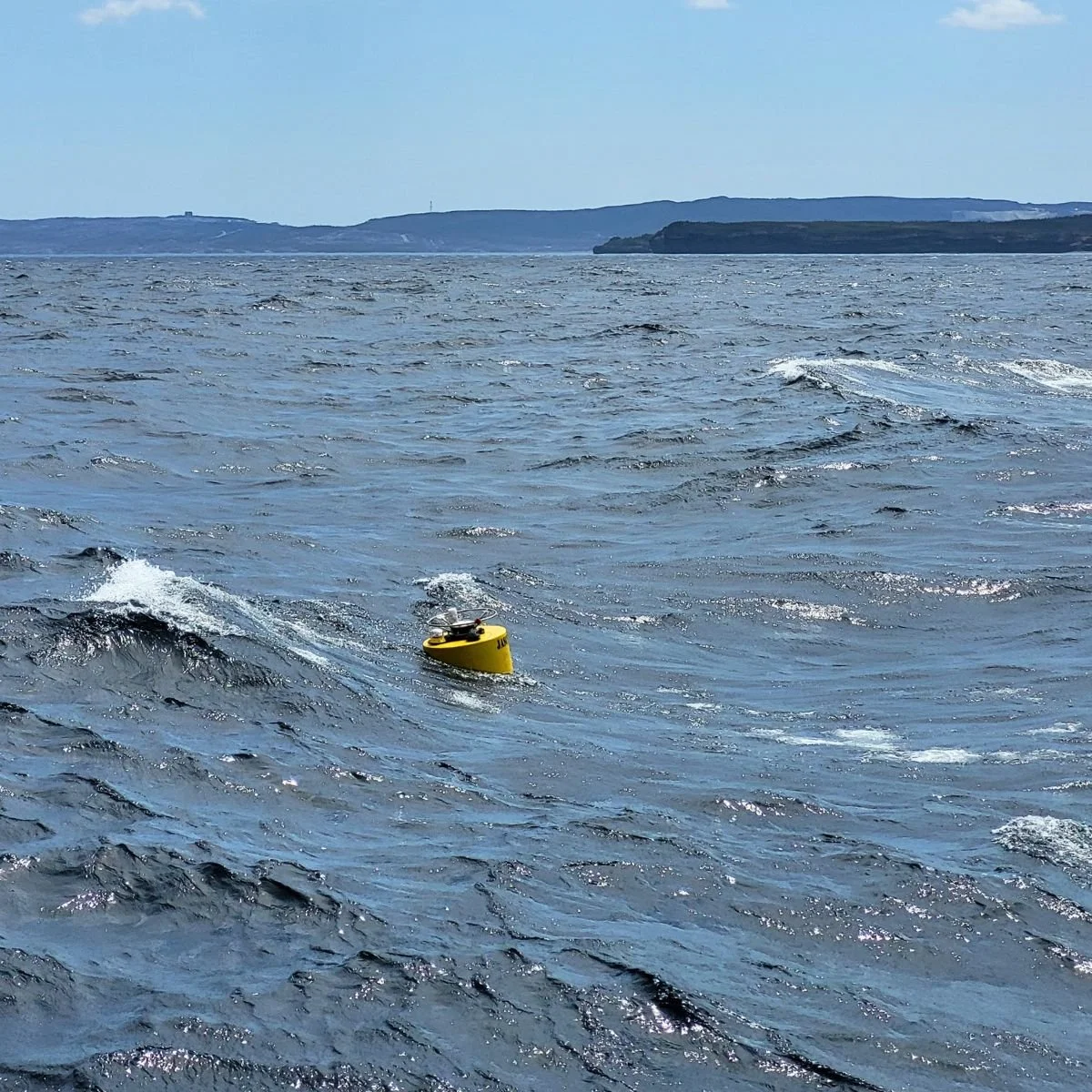
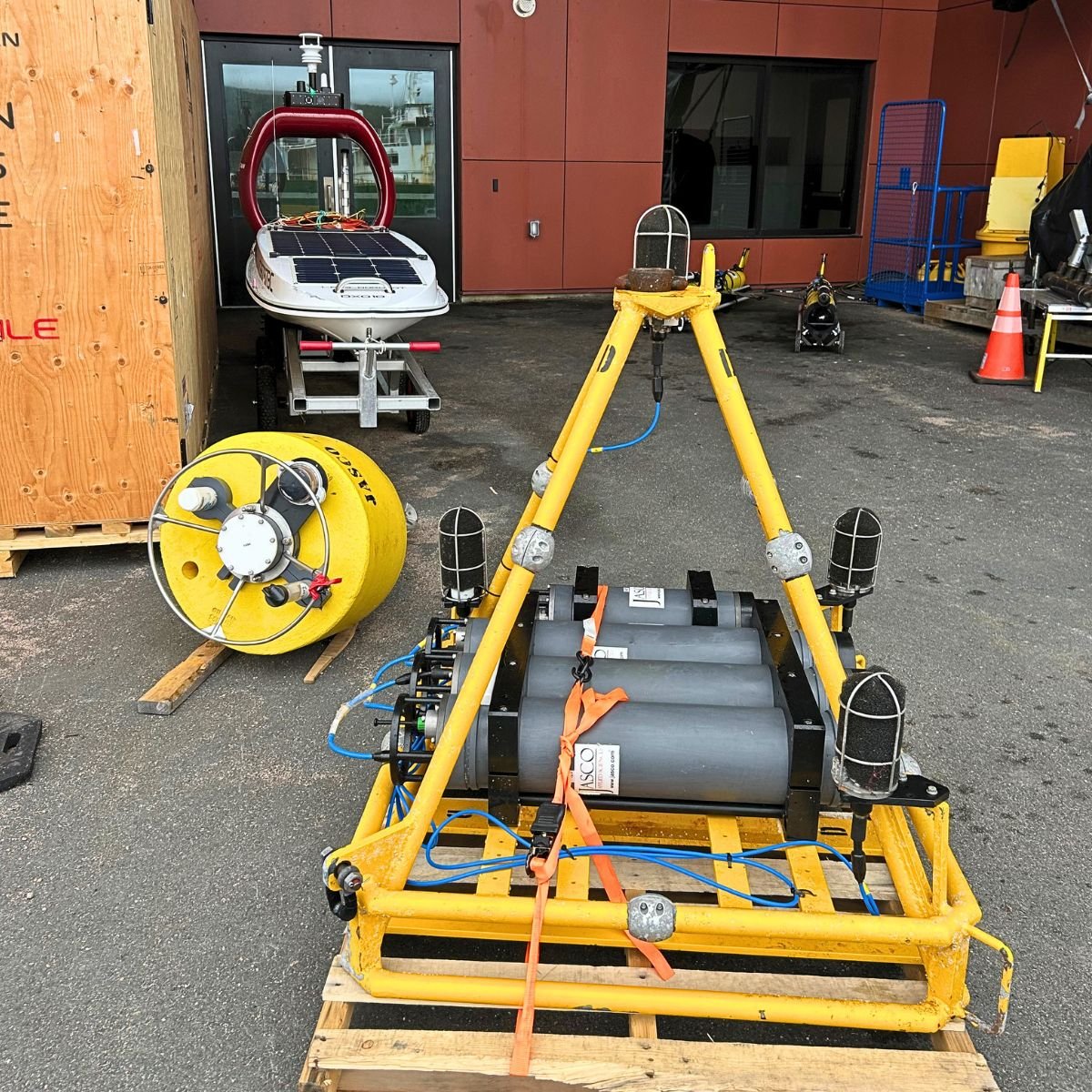
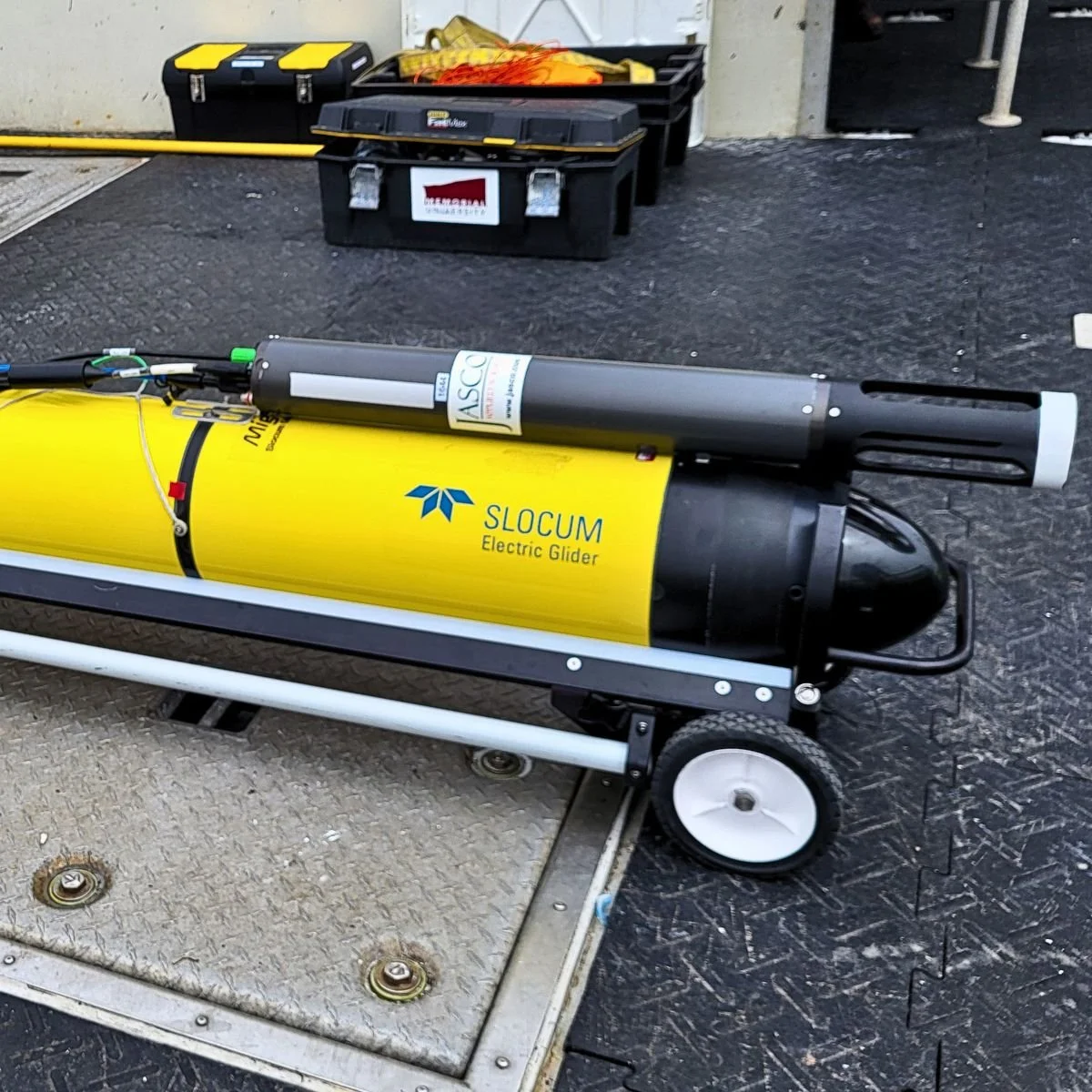
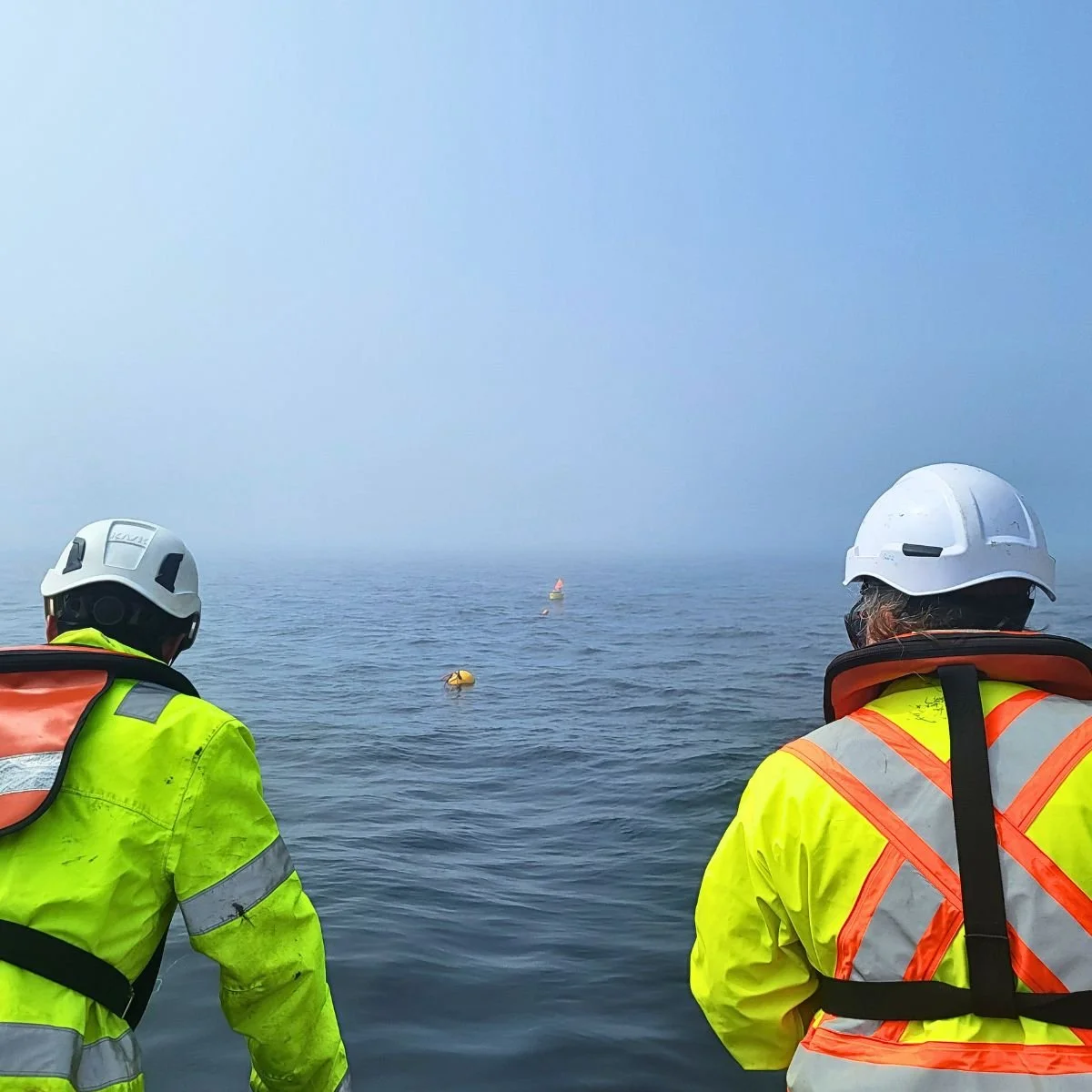
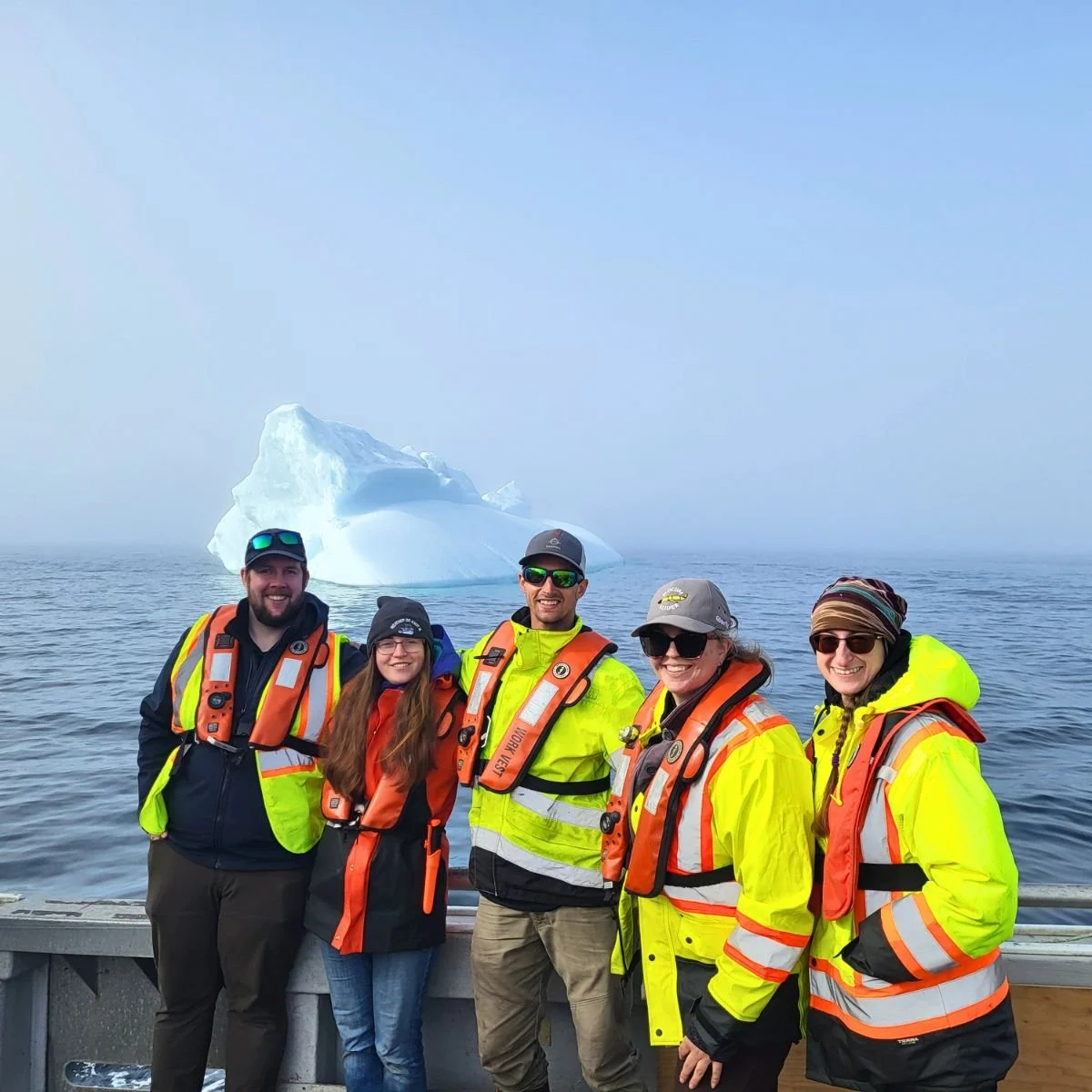
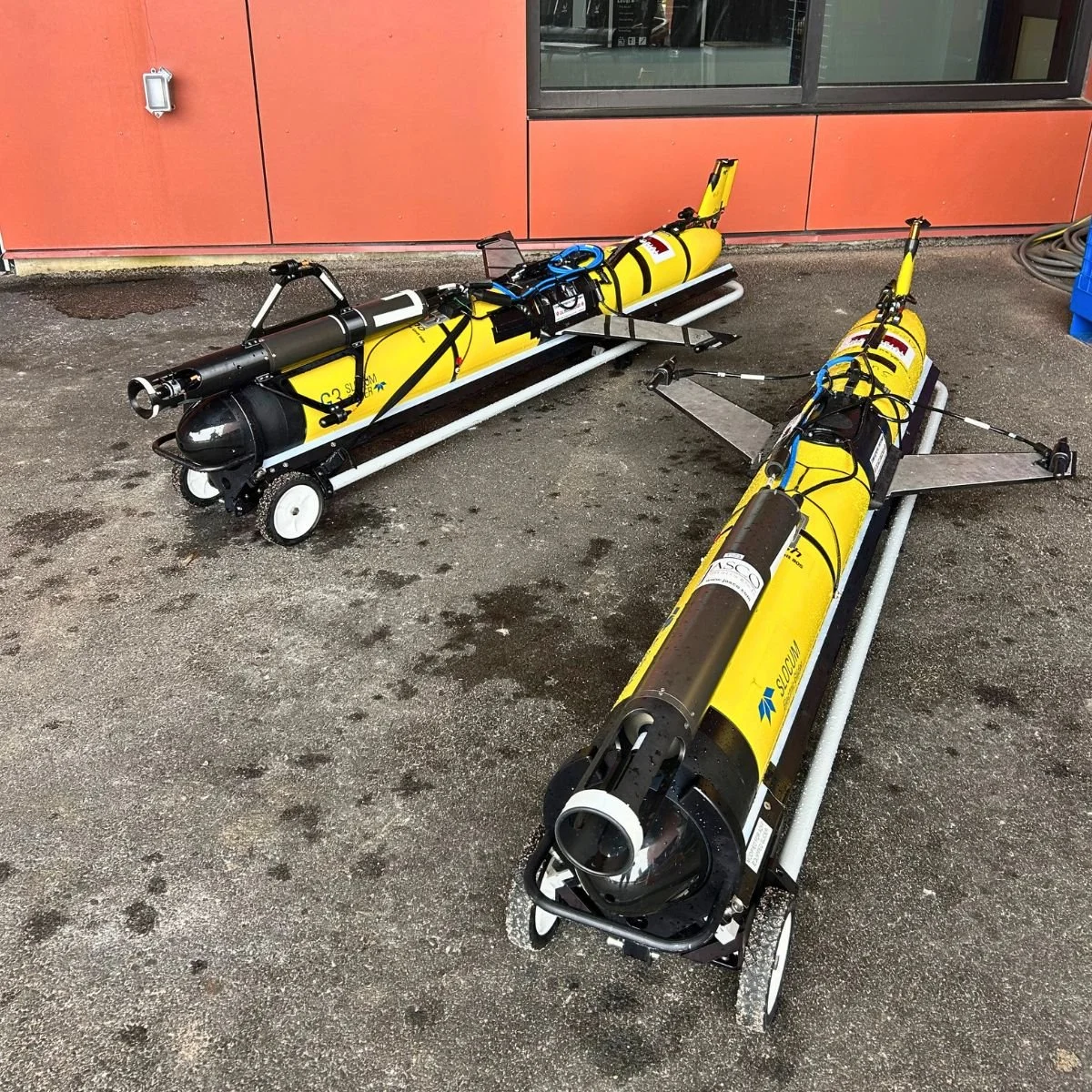
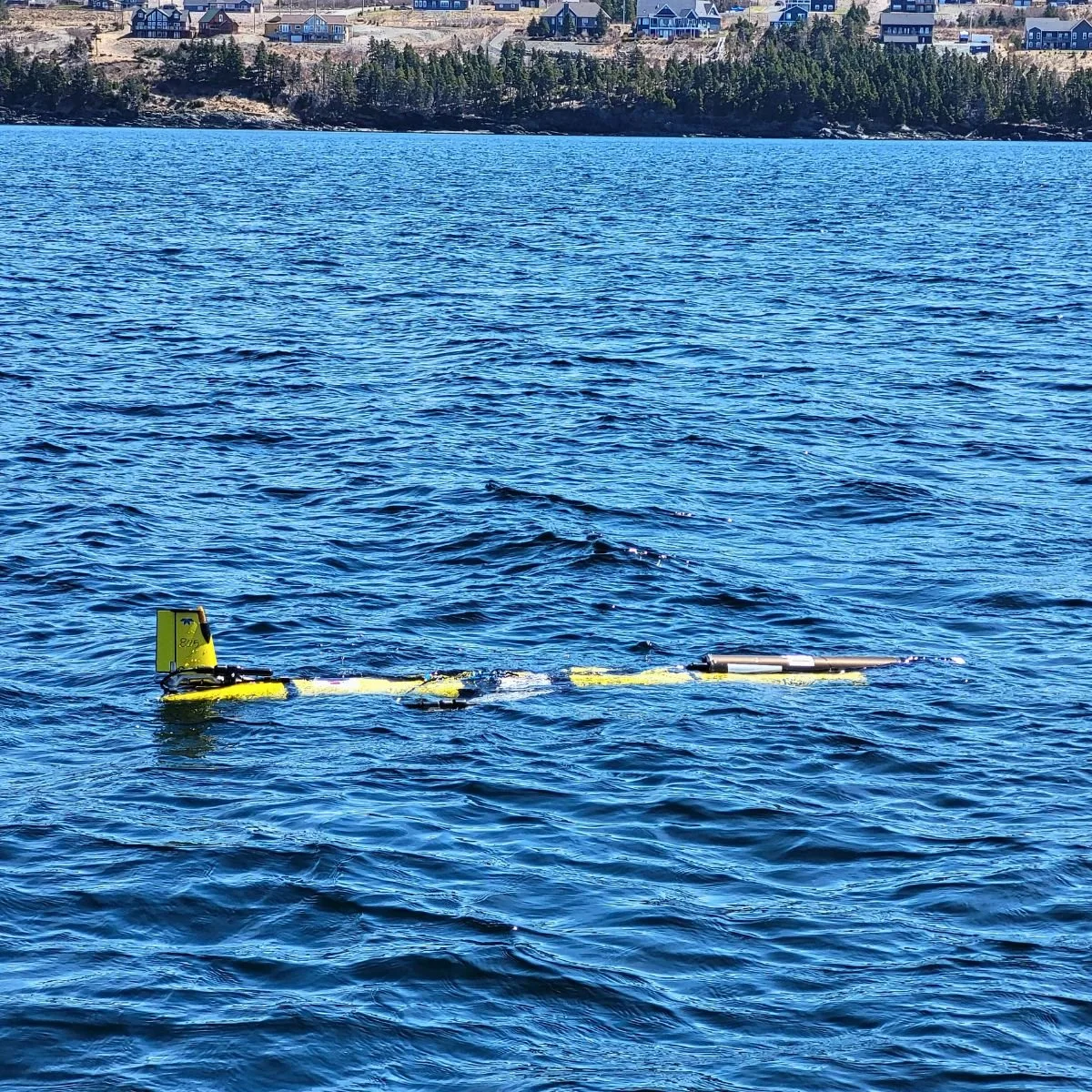
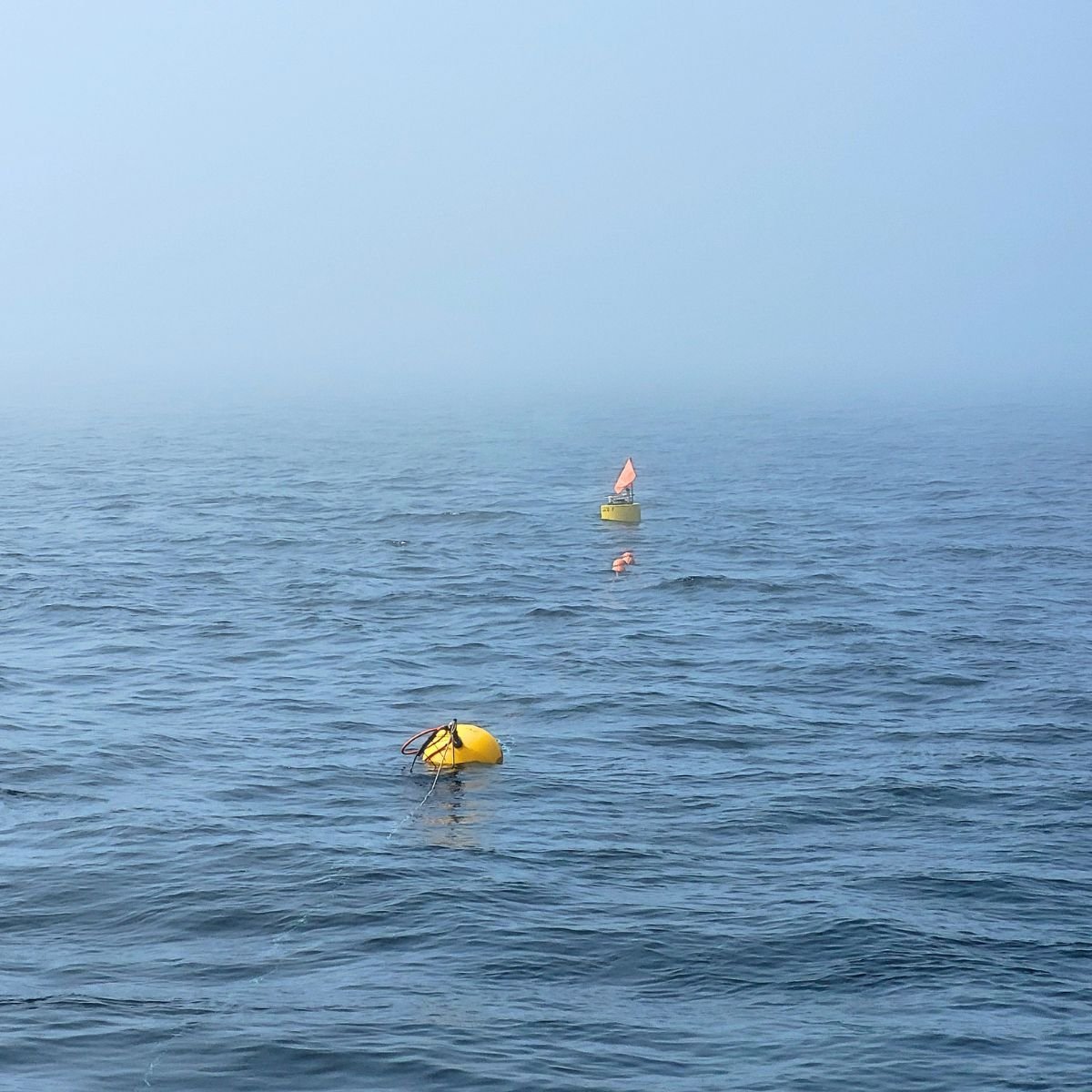
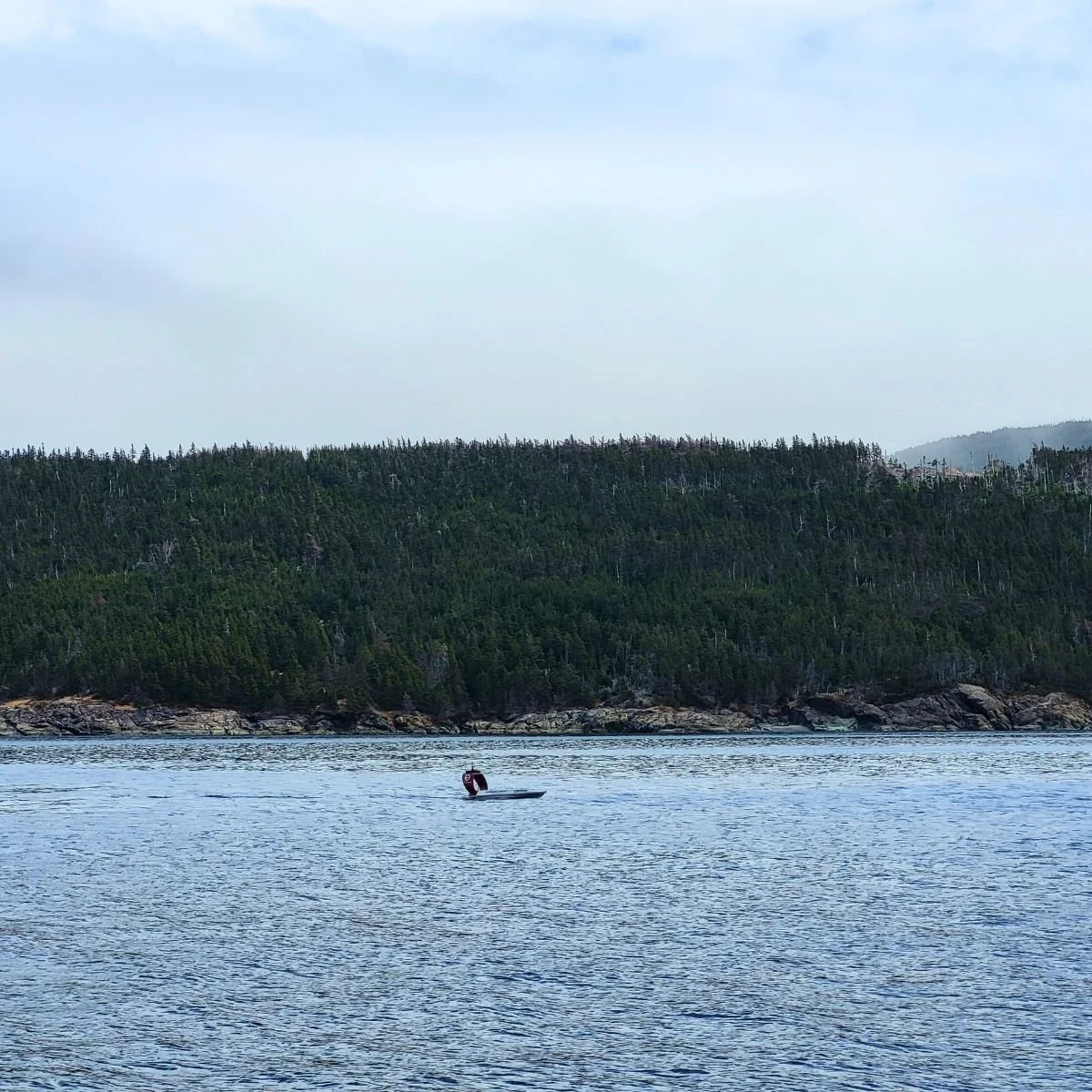
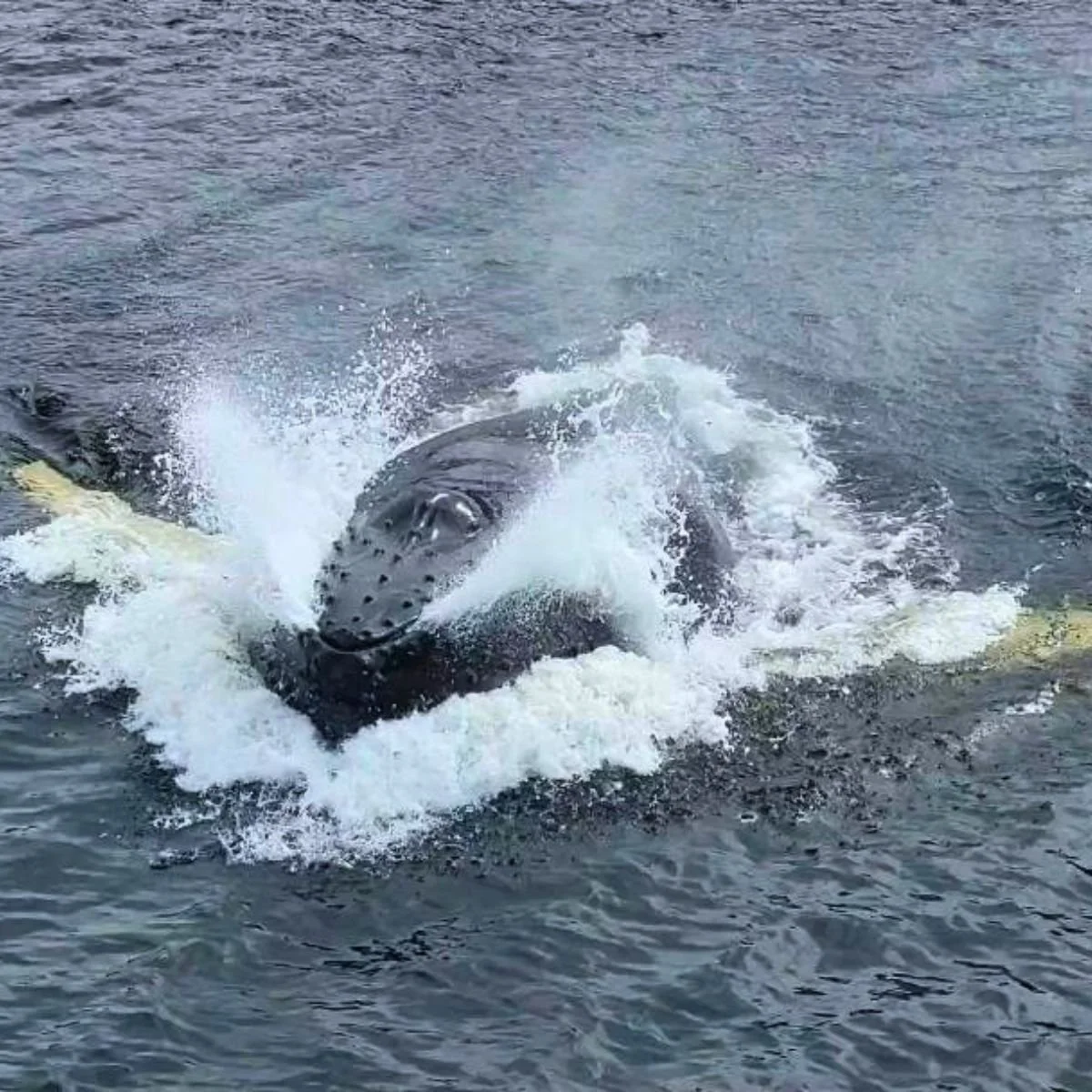
Photos by Nicole Neriuoka (JASCO Applied Sciences).
About JASCO Applied Sciences
JASCO Applied Sciences is a world leader in the science of underwater sound and its effects on marine life. A global company founded in Victoria, Canada, in 1981, JASCO provides services from offices in Canada, the United States, the United Kingdom, the Netherlands, Germany, and Australia. We provide support for all stages of environmental reviews and assessments of underwater sound for the renewable energy, oil and gas, marine construction, shipping, and defence sectors. We design, develop, and manufacture state-of-the-art oceanographic data acquisition systems to meet project demands for quality, endurance, reliability, and performance. We enable our clients to satisfy regulatory requirements by providing scientifically defensible assessments of their projects to government regulators and the public. For more information, visit: www.jasco.com.